
Haven’t we all heard stories of high schoolers who don’t read whole books or write papers on their own? As I watch our five-year-old grandson launch into kindergarten, I consider what real learning looks like these days. What about all of our children’s schooling, abilities to work with others, and future jobs? What will their world look like?
I sure know what my world used to look like. For 30 years, my life in August revolved around classroom setup, welcome letters, and new families. As an inquiry-based teacher, I wanted my first day of school to be focused on real learning, asking questions, trying ideas out, and collaborating—even with kindergartners.
A Cool Water Experiment on the First Day of Kindergarten
In our blazing South Carolina heat, the perfect first-day-of-school experience took us into our back yard for a cool science exploration. After dropping questions about how little kids could move water, a child opened our mystery bag. There, we discovered water droppers for everyone! (Or pipette, a science term for this tool.)
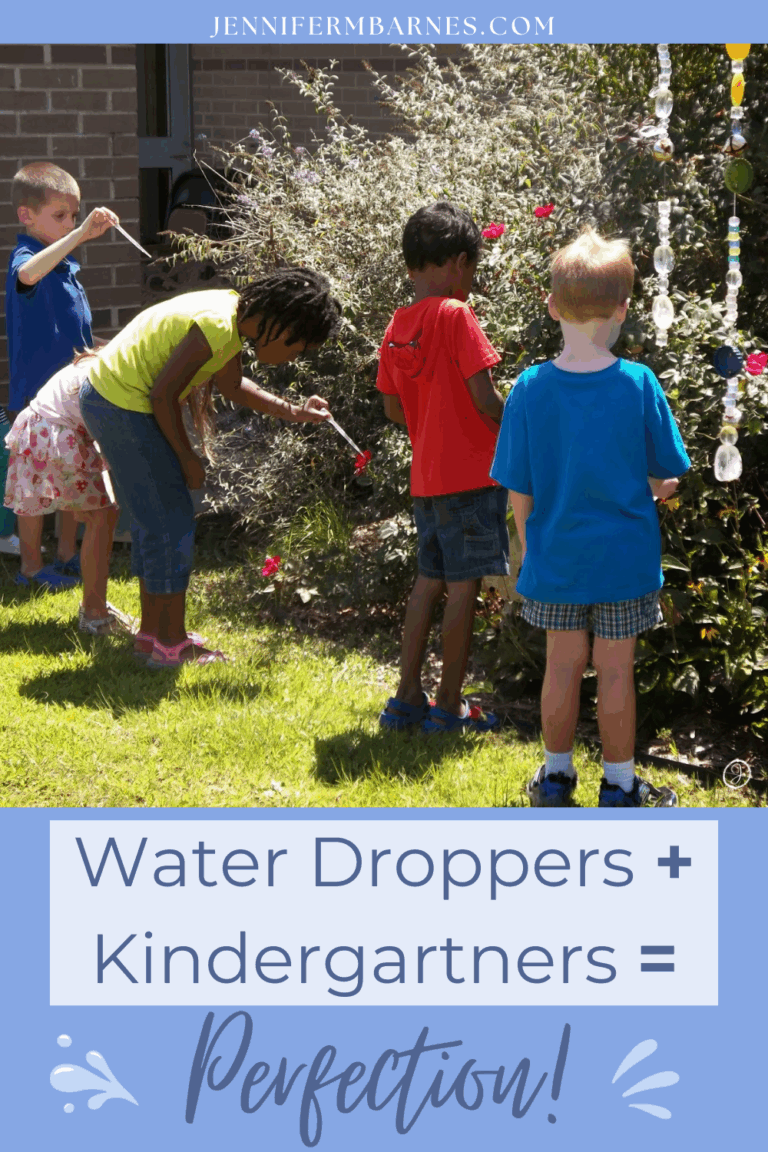
I invited children to wander through the garden to test their water droppers on fence posts, flower petals, brick walls, bird baths, statues, whatever they desired. New friends helped each other figure out how to actually get water into the pipette. Others squealed to see long trails of water on windowpanes compared to bumpy drops off shrubbery. I circled to hear giggles, see heads bent over water experiments, and jotted down their exclamations and questions.
When it was time to head back in, cries of “Aw!” and “We’re not done yet!” brought smiles. We ended the day with a quick debriefing, gathering our backpacks, and “passing the love” through our hands held in a closing circle. Plus, the promise that we’d continue our water inquiries on our second day of school. Who wouldn’t want to come back the next day?
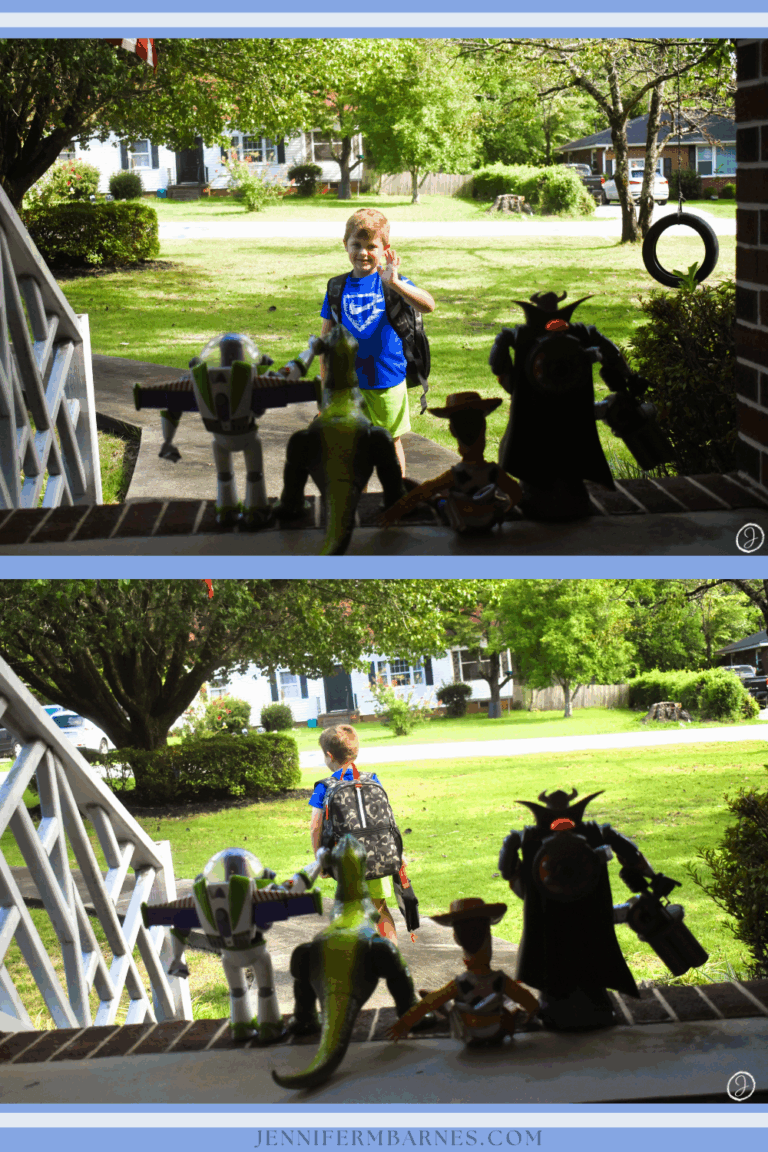
I’ve always believed in little kids, open-ended tools, thought-provoking questions, and the time and space to experiment with new ideas. As my one-and-only grandson embarks on his first day today, I pray for such exciting water-dropper experiences with his new friends, his hardworking and devoted teachers, and his family who can’t wait for him to get home.
An Experiment of a Different Sort: How Our Use of AI Impacts Our Brains
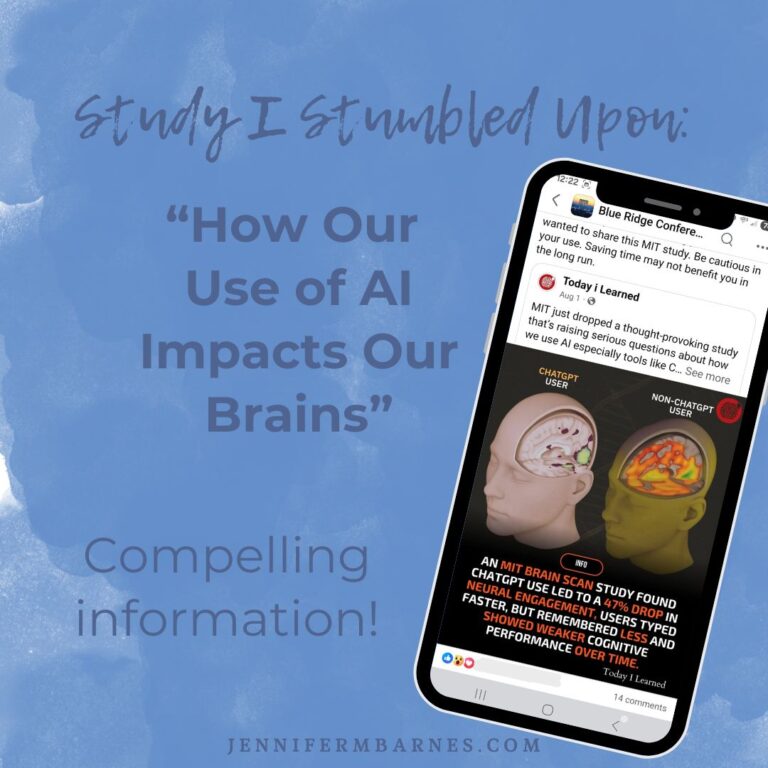
What a different feeling I had when I stumbled upon this study. It actually compared the vibrant image of a “non-ChatGPT user” beside a minimally active (sort of boring) “ChatGPT user’s brain scan.” The image compelled me to read closer about the study. According to the summary, MIT shared a study that raises questions on our society’s use of AI, specifically ChatGPT. The scientists collected brain scans over four months and discovered:
“Using AI might actually dull your brain, not sharpen it. During the study, participants had their brains scanned while writing with and without AI assistance. The results were eye-opening. 83.3% of those using ChatGPT couldn’t recall a single sentence they had just written, a stark contrast to those writing without AI, who had no problem remembering their work. Even more concerning?
Brain connectivity scores plummeted from 79 to 42, a 47% drop in neural engagement, the sharpest decline among all user groups.” (Emphasis is mine.)
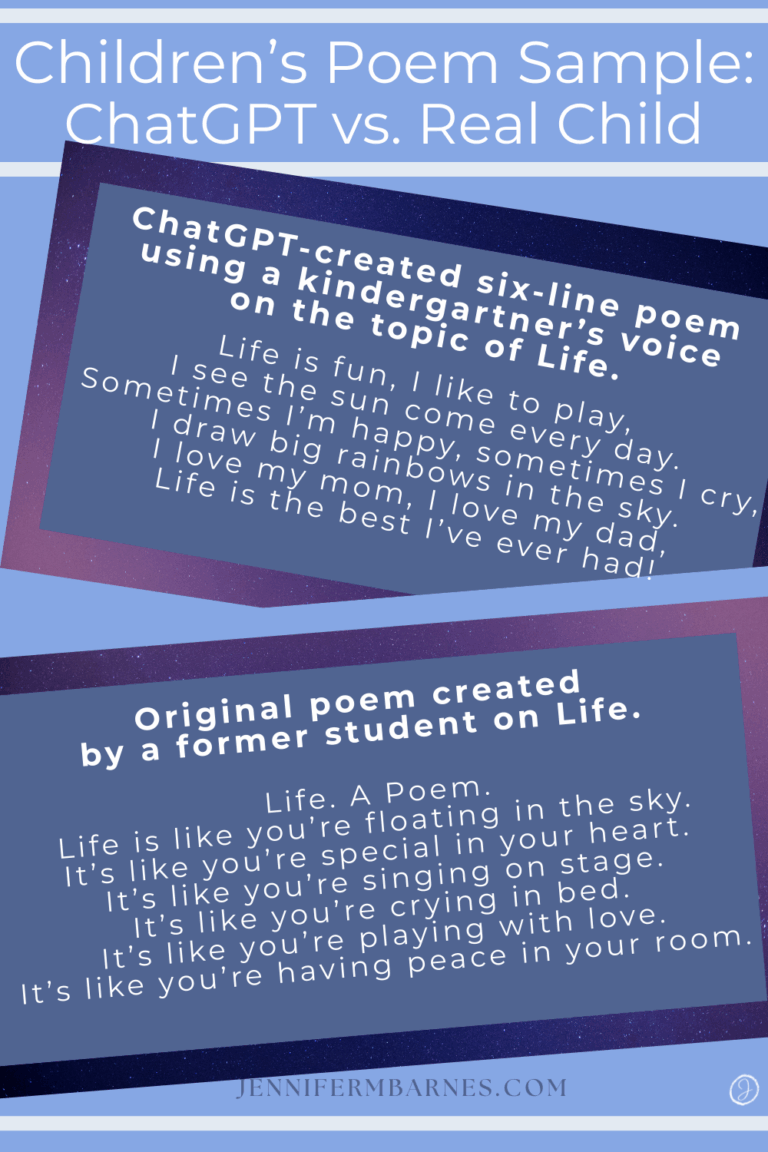
These students might have been faster at typing, but “educators who reviewed the AI-assisted writing called it ‘technically clean but emotionally flat’ describing it as robotic, soulless, and lacking depth.”
What a horror! I can’t imagine the young writers throughout my career who wrote about their “braines and ‘lictrisite” (electricity), their rock collections and vacations, their family trips and their dreams becoming robotic and soulless!
In these difficult days of discerning the truth of any information, I hesitated to share these points. But another reader validated the study in the comments by sharing this link to the MIT site with the original information.
Interestingly enough, when several of my writer friends critiqued this piece, a brilliant pediatrician/writer noted: “Brain connectivity is what prevents Alzheimer’s and dementia later in life.” Can you imagine what some of our futures might look like if our brain connectivity continues to plummet?!?
I shudder to imagine our world full of people who can’t remember, won’t persevere, don’t question, don’t enjoy creating, and aren’t avid life-long learners.
The Importance of Authentic engagements with children
Studies like this make me even more determined to help provide meaningful experiences, ask compelling questions, engage in insightful conversations, and reflect on the beliefs we value most.
You might wonder what that looks like with young children. Sometimes it’s as easy as having a stuffed animal “talk” back to a child during imaginative play. An animal I’m using will often “talk” back and forth with my grandson when he mentions a harder word or when we encounter more complex vocabulary in books. “What does THAT mean,” my stuffed animal will wonder aloud.
Hearing Tucker’s explanations about his understandings of the world are some of my most favorite conversations these days. Just this weekend, he explained,
“Well, squirrels hibernate in the winter precause dat’s de way God made them, Gigi.”
Ways We Can Engage With The Children in Our Lives
Besides asking questions—and really listening—as children share their thoughts and ideas, here are some more ways we can connect:
- Start a collection of things of interest. For our kindergartners’ first expert projects, we learned how to research our passions and interests. Over the years, I’ve witnessed children teach their friends all about trimmers and hedgers, forts and traps, snow globes, bowling, Chipotle, how playgrounds work, and caring for new babies (among a multitude of other exciting topics!) When little children’s interests broaden, it’s a natural step to start a collection, visit related places, talk to experts in that field, look for books, and become experts on their own.
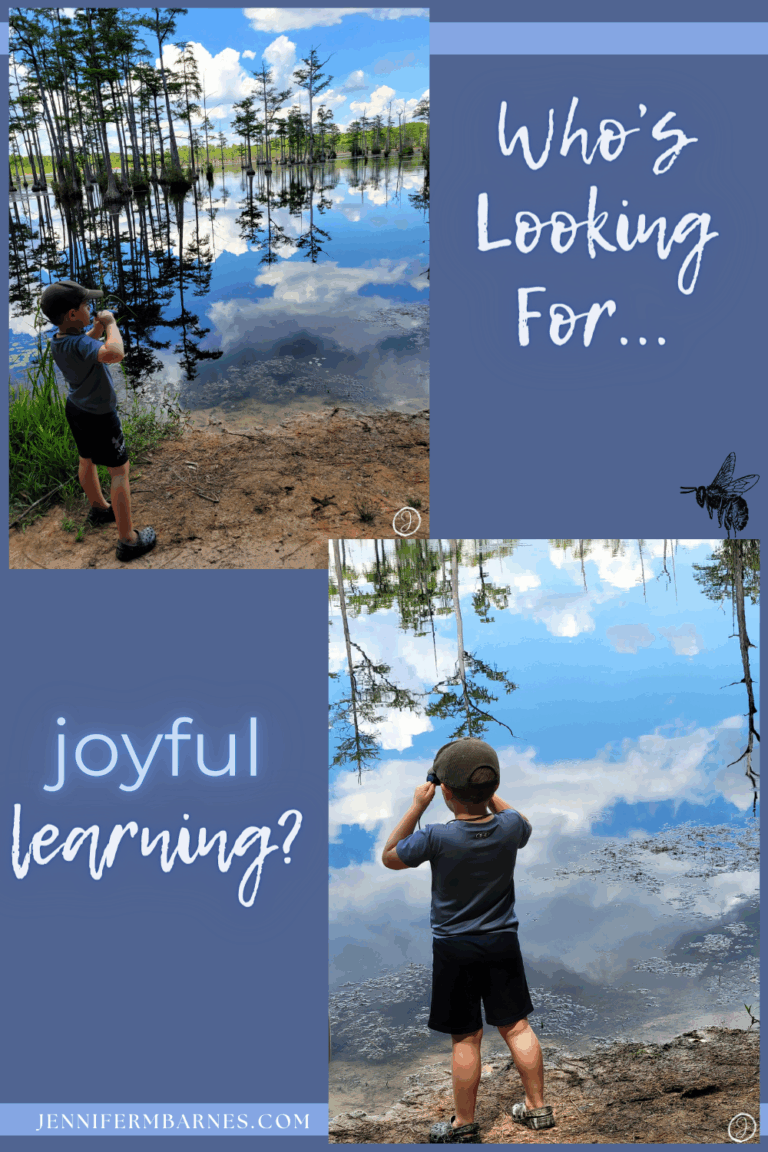
- Take day trips to local, state or national parks. Grab maps to pick out the trails and highlights you’d like to see together. Stop at the trail markings and signs. (Don’t forget your binoculars and sunscreen. Note that 4th graders get free passes to national parks for their families through the “Every Kid Outdoors” program.)
- Participate in children’s church and community events as well as local library happenings. From magicians and puppet shows to Color Runs and regular classes, children benefit much from learning together. Adults are often invited to volunteer at church, school, and community events. (Note that libraries often give free passes to special events as well. Get on their email list to stay abreast of such events.)
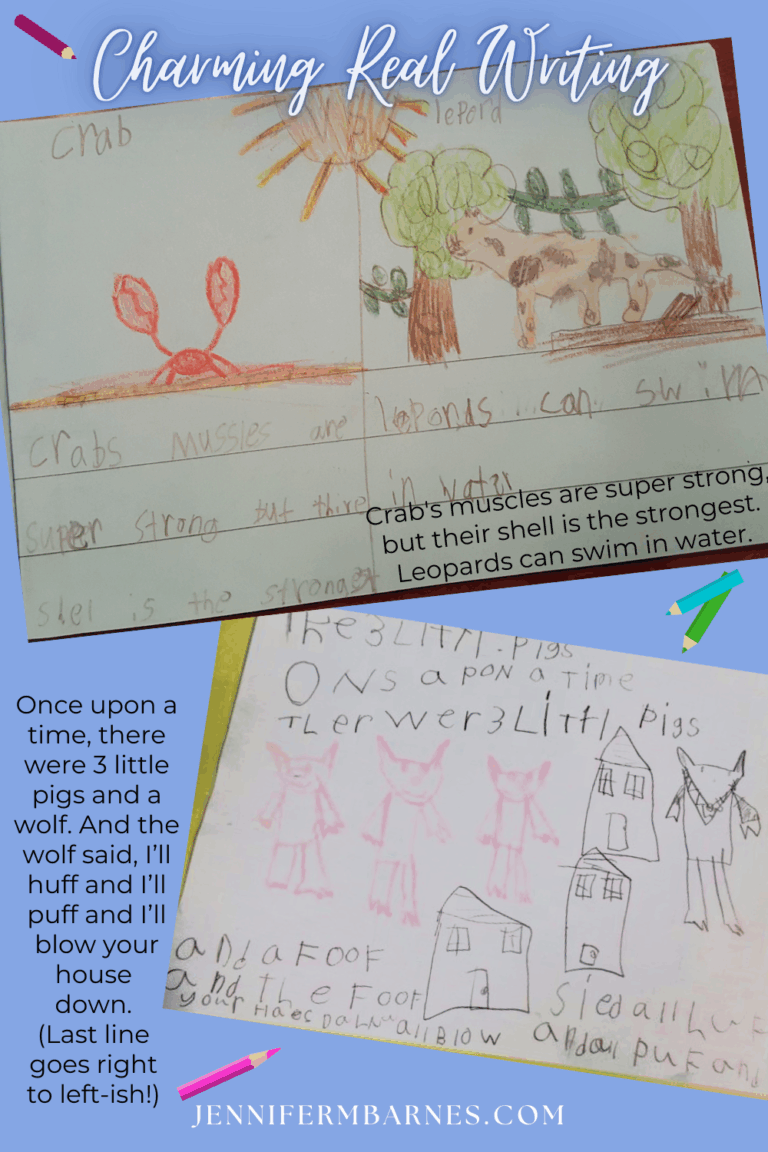
- Provide a variety of interesting papers and writing utensils in an easily accessible area. Encourage children to write letters to pen pals or neighbors, make get-well and holiday cards, create menus for meals, and more.
- Using that writing area, staple together some “books.” Create whole stories of interest. (Please don’t tell children every single letter to write. Encourage them to write what they hear. Your teachers will thank you!)
- Let them see the lists you make—shopping lists, calendar reminders, holiday plans… Invite them to add to your list and help you cross things off when you accomplish them as well as to design lists of their own.
- Create art pieces alongside children. Insist that they place their signature and the date on them. Display them in frames. Let them see how much you value their creativity.
- When they ask you to “tell me a story,” do it! Create the funniest story you can. Then, ask them to do the same.
Speaking of Stories...
The Wonder of Under, my favorite children’s picture book of this month and the story behind the story! Cindy Lynn Sawyer creates her picture books by capitalizing on some of these desires I have for my children—imagination, creativity, and exploration.
About her first book, The Wonder of Under, Cindy writes: “I wasn’t sure what would come of this story. It started as a ‘what if?’, inspired by Miri when she was super tiny, and turned into a sailboat made out of junk, a curious kid named Paxton, and a book that somehow blends science-y thinking with adventure. This book was always about more than just imagination—it’s about what kids can create and understand when we give them room to explore.”
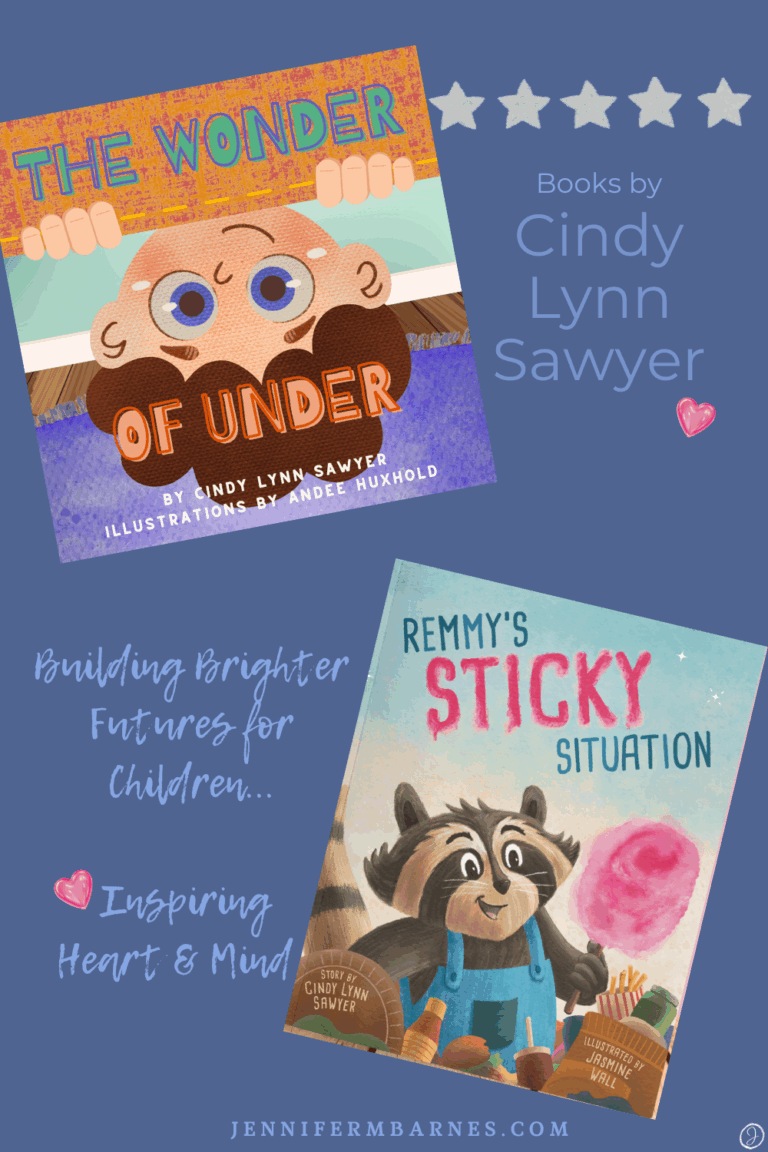
This book was just named a finalist in the 2025 ACFW (American Christian Fiction Writers) KidLit Contest. Cindy’s second book, Remmy’s Sticky Situation, focuses on friendship. Little ones will giggle over science concepts wrapped up in cotton candy. And they’ll gulp as Remmy seeks out his friends to apologize when he makes some wrong assumptions about them.
If you’re on a quest to find more imaginative picture books and engaging activities, visit Cindy’s website and blog. You’ll be amazed at the wealth of ideas she shares and all the opportunities to win some pretty special books, too.
I know you will enjoy these books that perfectly bring out the kind of real learning we all want in our children’s lives and in our world to come.
If you’d like to read more about our 1st day water studies and how they transformed our five-year-old learning and ended up changing a Nicaraguan village (and well, all of us, too), click here.
And if you’d like to read more about our kindergarten expert projects on our passions and interests, you’ll want to click here.
I do worry about the effects new technology might have on our children. Thank you for information that opens our eyes to these dangers. I hope parents and educators will follow your lead to “provide meaningful experiences, ask compelling questions, (and) engage (children) in insightful conversations”. These are so crucial for real learning to take place!
Amen! And it’s not just our little kids only! There’s so many things we can do to connect authentically with everyone. How much more fun life is when we engage in real experiences together. As always, I’m so grateful you hang out with me here! Thank you, my friend!
Thank you for sharing your personal and teaching experiences! Learning how to engage with the creativity and imagination of the little people around us is so important. We can learn a lot from them! I loved the information and study you shared about ChatGPT and brain activity. It definitely is a wake-up call for us to teach the littles (and not so littles) in our lives the importance of independent, original, creative thinking and problem solving! Excellent post as usual, Jennifer.
You are so welcome. And a wake-up call is definitely a great word for it! Seeing how we’ve let these issues slide into our lives makes me concerned for our future. We sure want something better for our children and grandchildren. I so love seeing all the innovative things little kids do… they’re truly people we can learn from! Thank you so much for your insightful comments!
I agree with Frances. These are serious concerns. Thank you for a plethora 🙂 of beautiful ideas for all of us. I’ll always be a “child at heart” and love the art, cooking, creating, and imagining we do with our young ones. I get as excited as they do! Thank you, Jennifer, for your beautiful examples to inspire us!
Thank YOU for the beautiful ways you share living and learning in the world. Seeing how your grandchildren thrive is an example for all of us. And I agree. It’s simply FUN to come alongside children in real learning. 🥰 Thank you for your lovely comments.